
Blog
From the blog
Guides and recipes on nutrition with Peruvian superfoods.
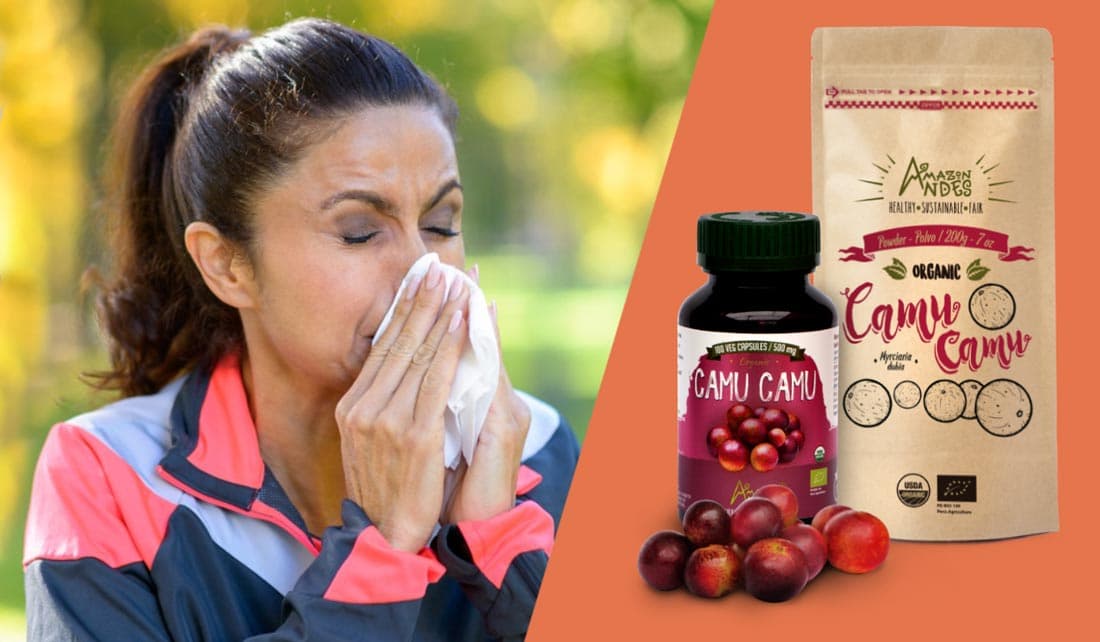
CAMU CAMU, A SUPER FOOD THAT STRENGTHENS THE IMMUNOLOGICAL SYSTEM
ORIGIN OF CAMU CAMU It is a shrubby riparian plant from the black water rivers of the Peruvian Amazon, although it is also found in areas with clear waters. The germplasm collection carried out […]
Read more
GARCINIA CAMBOGIA – NATURAL PARTNER FOR WEIGHT CONTROL
ORIGIN OFTHE GARCINIA CAMBOGIA Garcinia cambogia (old scientific name), popularly known as malabar tamarind and with the current scientific name of Garcinia gummi-gutta; It is a tree that grows throughout Asia, Africa and the […]
Read more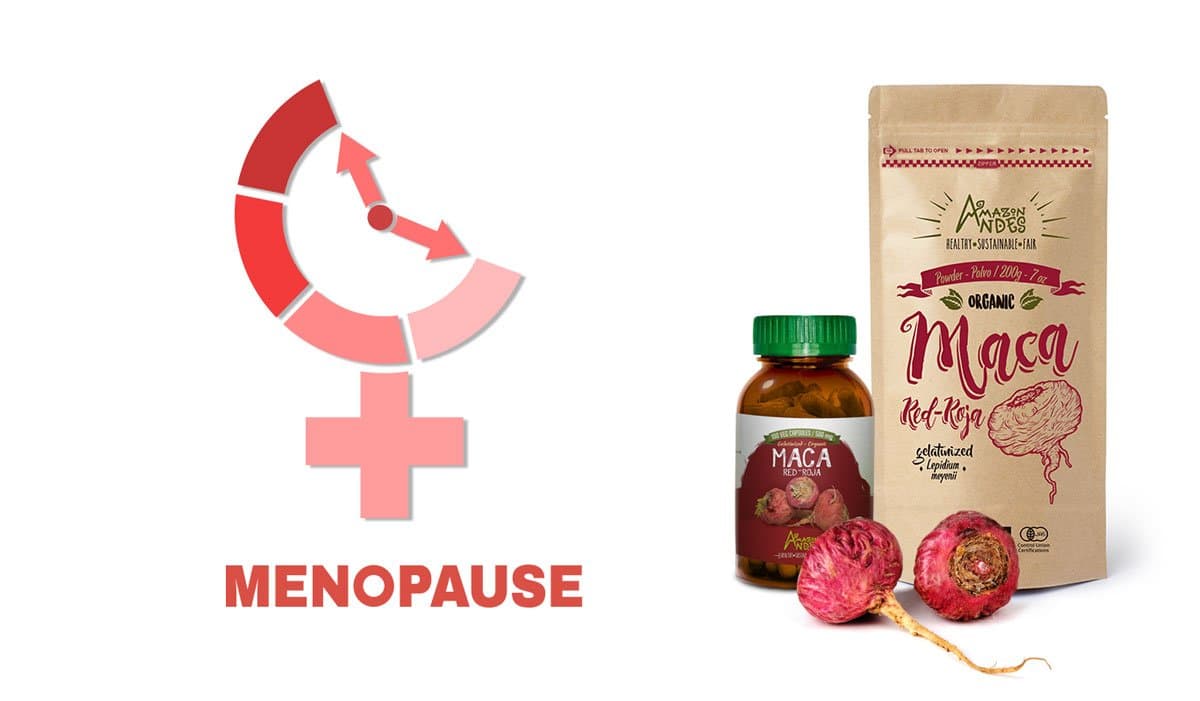
RED MACA CAPSULES: HELP IN MENOPAUSE AND IMPROVEMENT OF LIBIDO
WHAT IS THE MENOPAUSE? Menopause has been defined as the permanent cessation of menstruation in women, an event determined by the decrease in hormonal production as a consequence of the depletion of eggs, with […]
Read more
GREEN TEA IN CAPSULES: POWERFUL ANTIOXIDANT AND HELP IN OVERWEIGHT
WHAT IS OXIDATIVE STRESS It could be said that it is the adverse effect that occurs in the blood and tissues of living beings when there is an increase in the degradation of their […]
Read more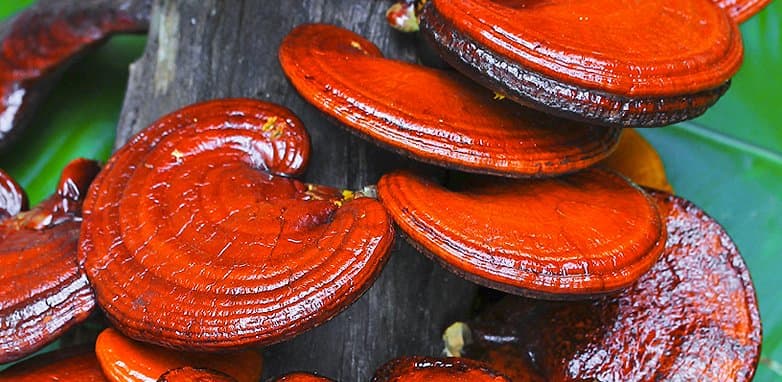
Reishi
REISHI ORIGIN The history of Ganoderma lucidum as a food supplement has been extensively documented in the oldest Chinese pharmacopoeia, "Shen Nong's Herbal Classic." It is known by the name of Lingzhi in China […]
Read more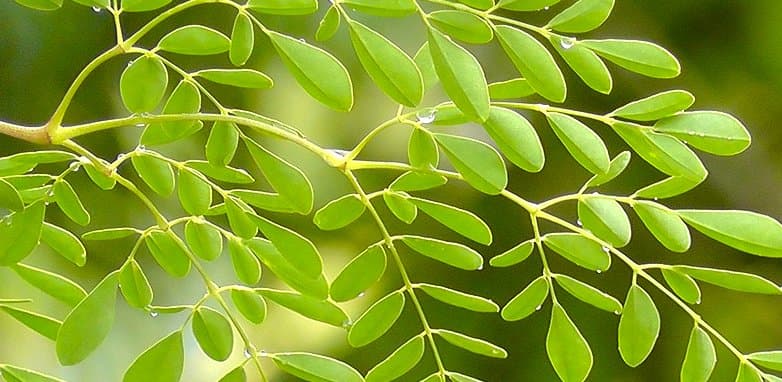
Moringa
MORINGA ORIGIN Moringa oleifera commonly known as moringa is a small, fast-growing tree that usually reaches 10-12 meters in height, is native to the Himalayas, but has been introduced in different places such as: […]
Read more
Collagen
COLLAGEN ORIGIN Collagen is a fibrillar protein that forms connective and connective tissues in the human body, essentially skin, joints and bones. This molecule is one of the most abundant in many living organisms […]
Read more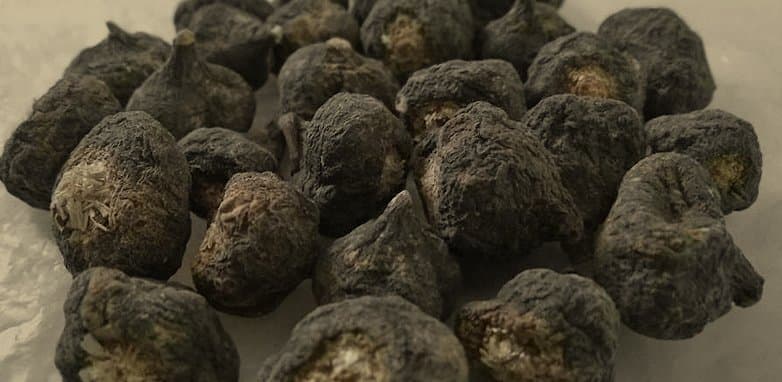
Black Maca & Creatine
Black Maca & Creatine ORIGIN Maca is a product native to the Central Andes of Peru, resistant to hailstorms, frosts and prolonged droughts. It is cultivated since the Inca times at altitudes between 3800 […]
Read more